
Regional Landscape Planning & Coordination

Landscape Design and Outdoor Living for Fort Myers Beach Properties

Redesigning a Fort Myers Beach property begins with balancing updated structural changes with everyday outdoor living. Rebuilding or refining an island parcel involves deciding how outdoor spaces connect to the home, handle coastal sun and breezes, and support daily relaxation or entertaining. Establishing your layout priorities and functional needs early keeps the design process focused and practical.

02

Choosing Between Familiar Character and a New Landscape Direction

A major property modification presents a clear design fork: restore the familiar exterior aesthetic that previously defined the parcel, or intentionally establish a new visual direction. When a property undergoes substantial structural or site adjustments, owners frequently weigh visual continuity against the opportunity to redefine their outdoor identity. Deciding this overarching aesthetic early establishes clear parameters and keeps subsequent planning unified.

Re-establishing familiar character emphasizes traditional coastal plant textures, established proportions, and continuity with the property's architectural past. In contrast, setting a new direction opens possibilities for contemporary material palettes, crisp spatial geometries, and a distinct break from prior styling. Evaluating how the updated exterior should complement the altered residence helps determine whether preservation or intentional reinvention makes the most sense for your Fort Myers Beach property.
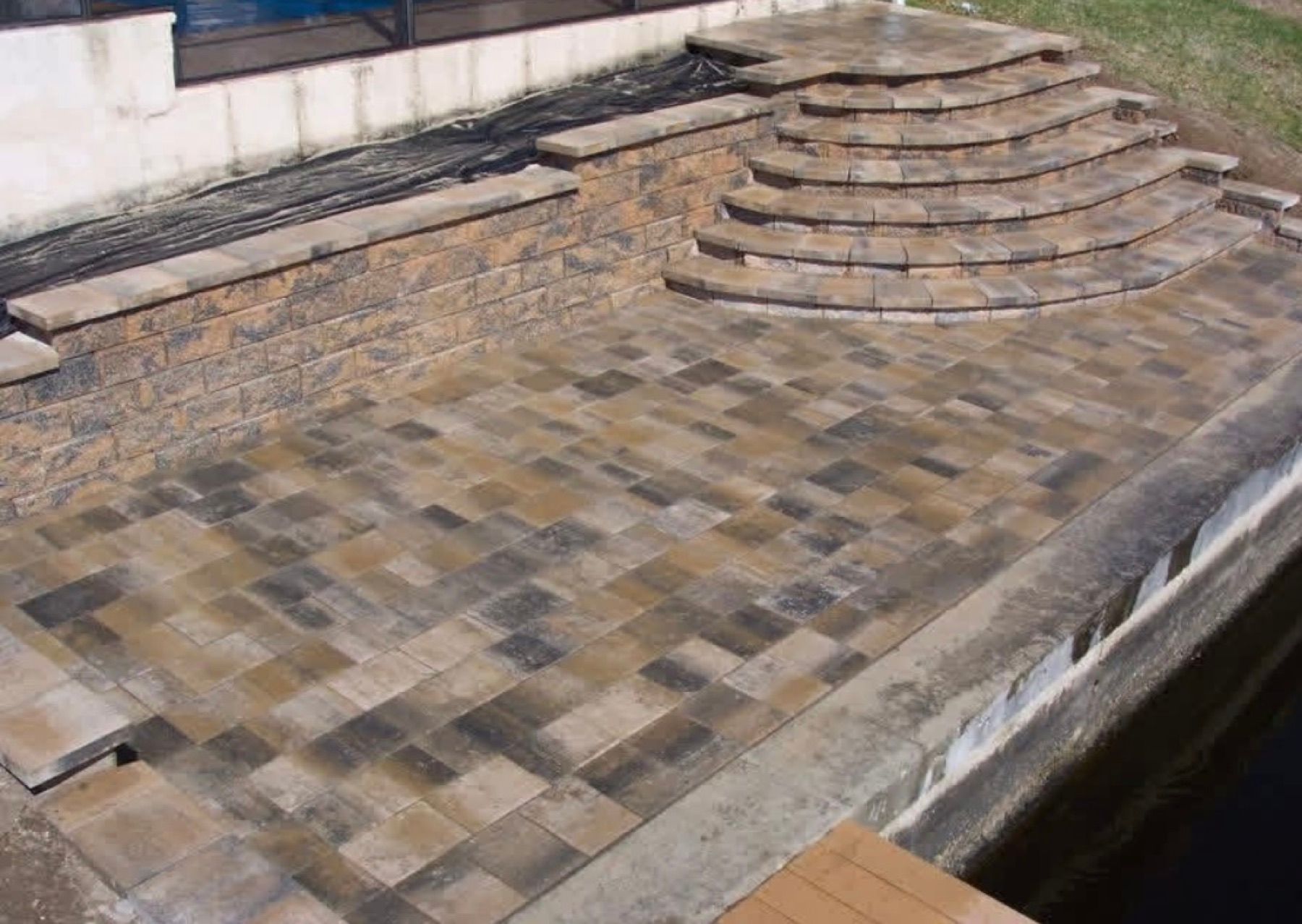

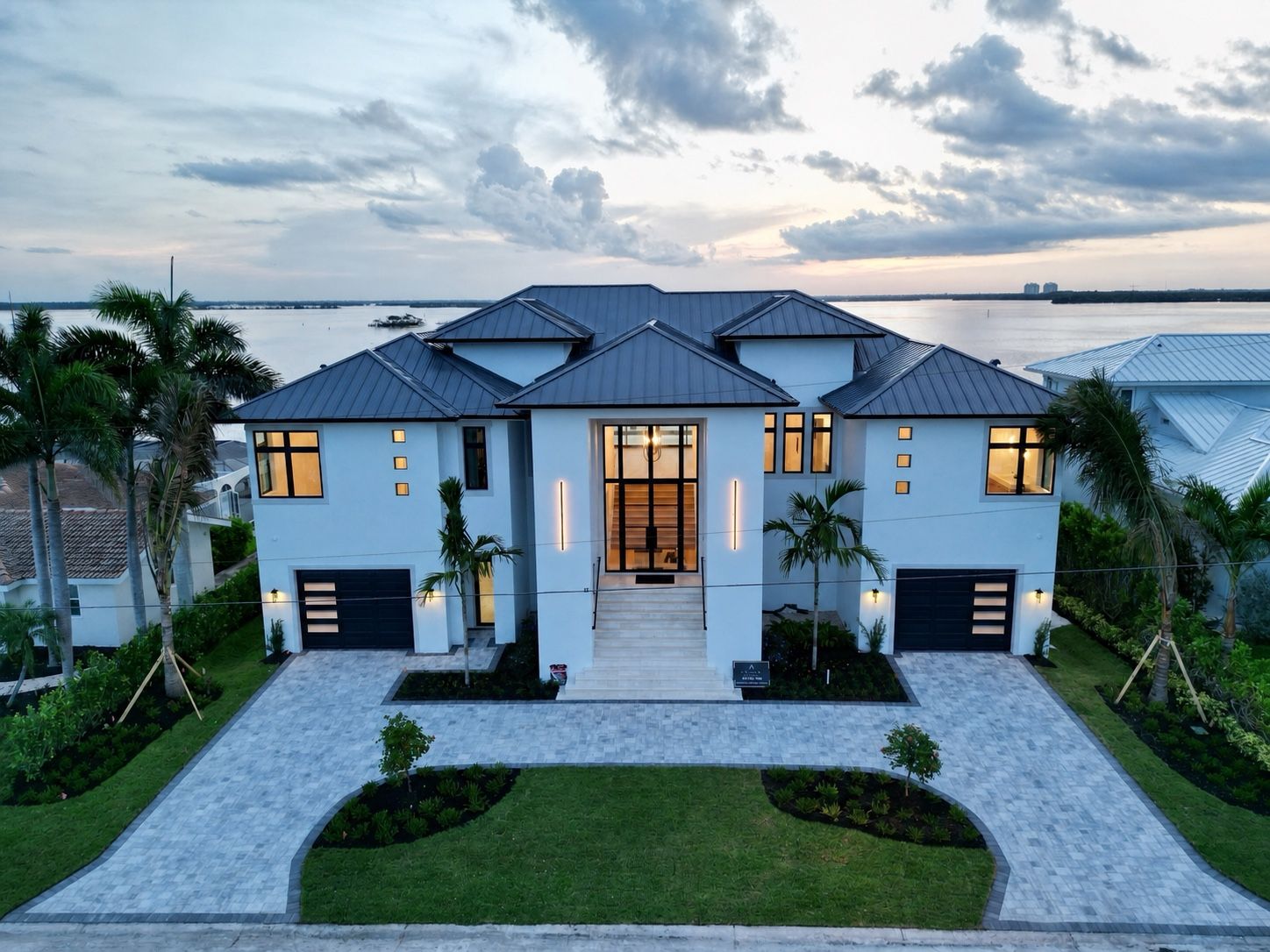
Finished residential hardscape and landscaped property

Photo inspection

Choosing Between Familiar Character and a New Landscape Direction

Finished residential hardscape and landscaped property

Finished residential hardscape and landscaped property

03

Structuring Functional Outdoor Living Zones

Thoughtful exterior design balances practical daily use with clear visual structure. Before considering specific materials or plant varieties, property owners benefit from defining how their outdoor footprint will function. Clarifying priorities—such as dedicated dining terraces, clear pedestrian paths, or defined gathering areas—helps keep the overall layout organized and prevents fragmented design choices.

Note how you spend time outdoors, whether that means hosting evening dinners, watching sunsets, or carving out quiet morning seating. Pair those daily habits with what you notice across the yard, such as direct afternoon glare, breezy corners, or pockets that feel overly exposed to foot traffic, so we can align early concepts with how you actually live outside.

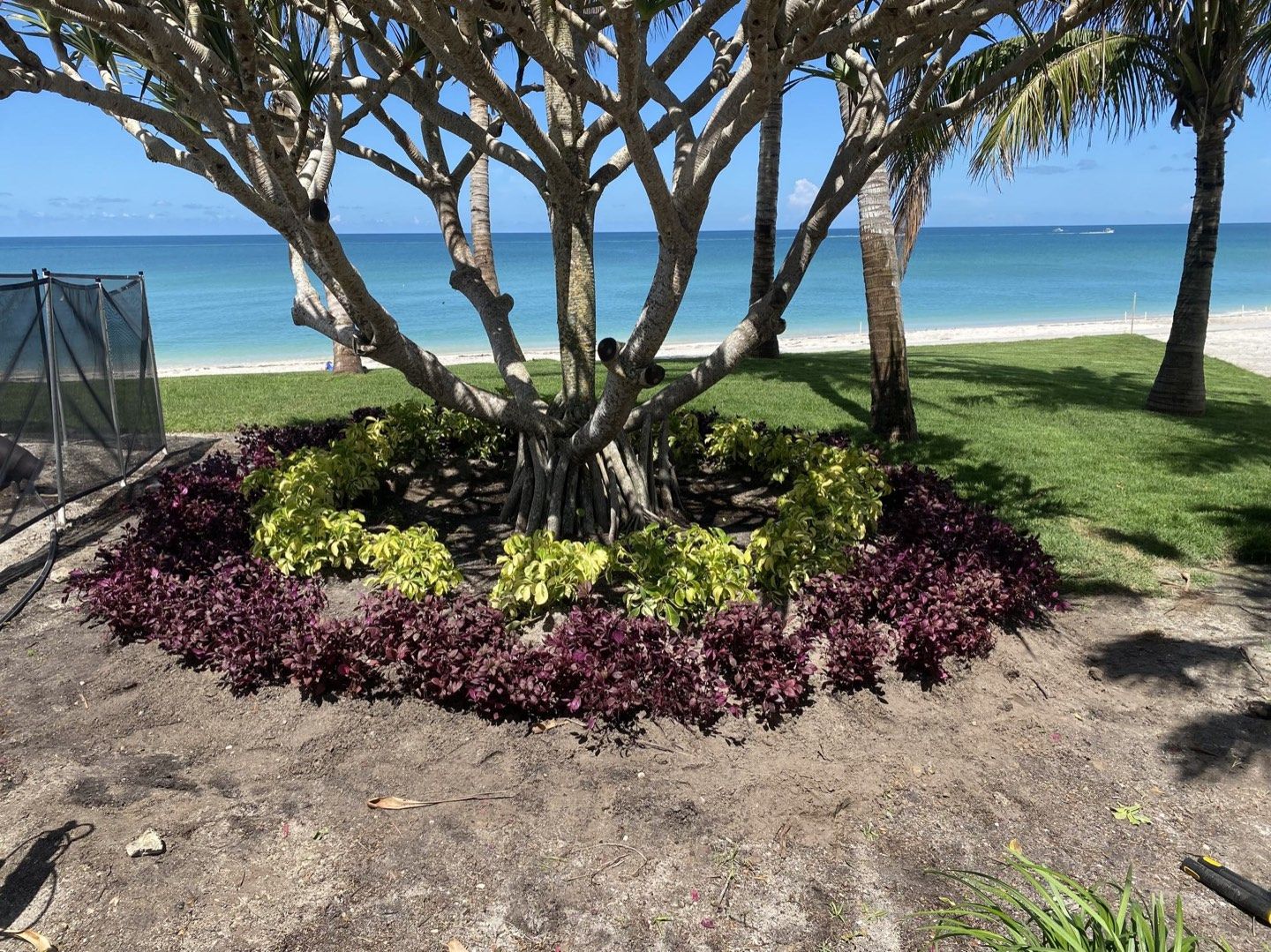
Coastal planting framed by specimen palms

Photo inspection

Structuring Functional Outdoor Living Zones

Coastal planting framed by specimen palms

Coastal planting framed by specimen palms

04

Aligning Daily Living With On-Site Conditions

Tracking how daily sunlight patterns shift across your patio, where prevailing coastal breezes move through the property, and where standing water lingers after heavy summer downpours helps clarify where to position gathering spaces and open lawn areas.

Establishing your highest-priority zones first allows you to phase improvements logically, whether that means addressing central entertainment areas before tackling perimeter borders or establishing utility paths ahead of secondary garden beds.

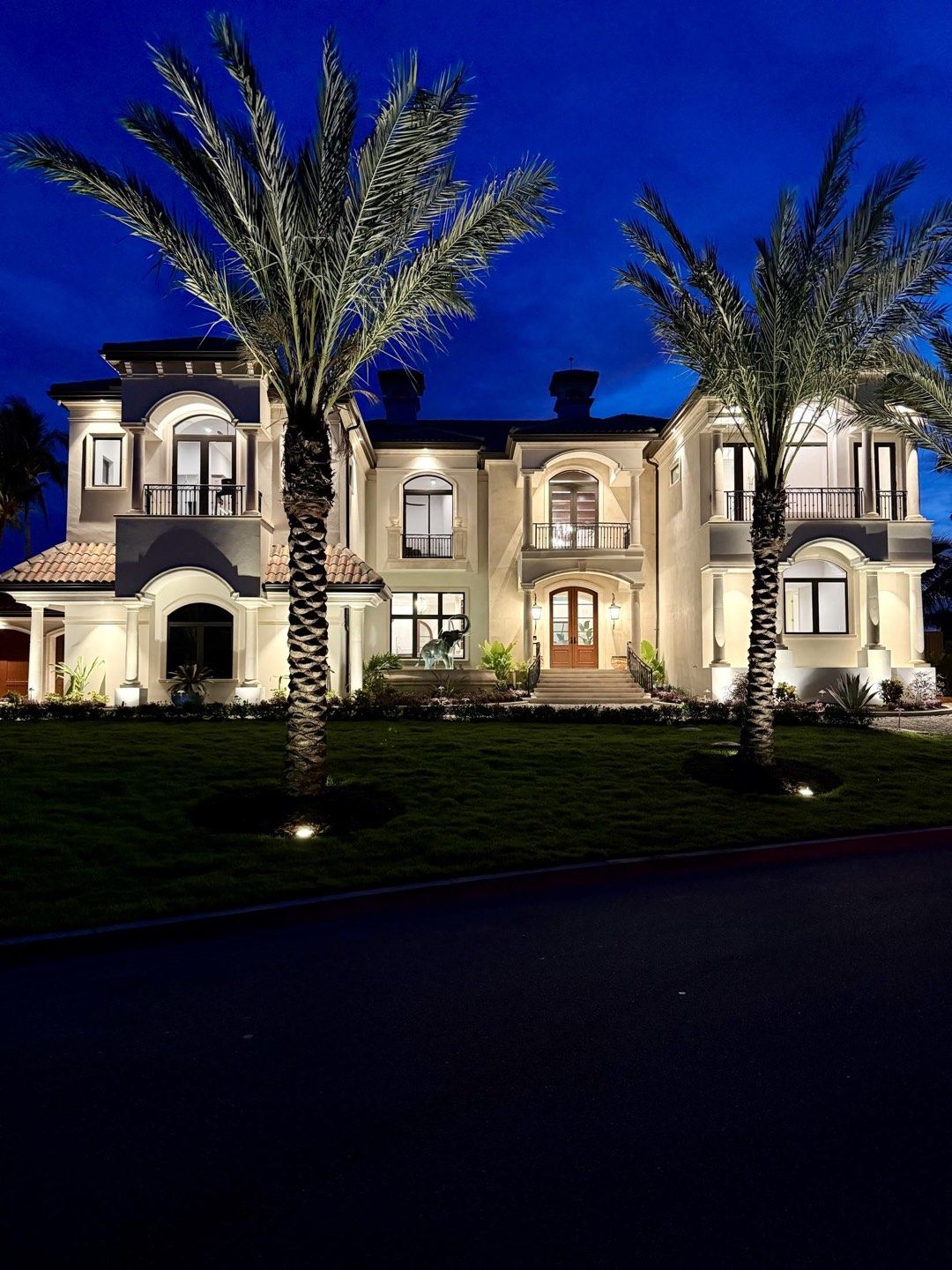
Evening exterior landscape lighting and hardscape

Photo inspection

Aligning Daily Living With On-Site Conditions

Evening exterior landscape lighting and hardscape

Evening exterior landscape lighting and hardscape

06

Fort Myers Beach Landscape Planning Questions

01Question

What information is useful to share when starting a Fort Myers Beach landscape conversation?

Response

Sharing how you plan to spend time outdoors, which areas matter most, and basic observations like intense afternoon sun or post-storm drainage helps set clear initial direction. With those details in mind, you can decide whether to address an immediate priority first or explore ideas for the entire property.

02Question

How should property owners organize their goals before starting a landscape redesign?

Response

Start by listing daily outdoor activities and primary use zones, such as dining spaces, walking paths, and quiet lounging areas. Note specific property conditions like intense afternoon sun, privacy needs along property lines, or existing structures that will stay in place. Clarifying how you want each outdoor area to function establishes clear parameters for layout concepts and material choices.

03Question

What specific yard observations are most helpful to note before our initial discussion?

Response

Take note of where puddles collect after afternoon rain, which sections receive intense midday heat, existing sightlines you want to screen or preserve, and where family members naturally walk when moving between the house and yard.

04Question

How should I decide whether to complete the outdoor design all at once or in planned stages?

Response

Consider how closely your goals connect across the property. When priorities feel tied to one another, reviewing the overall concept together can clarify how each area fits into your broader vision. If your priorities feel relatively independent, approaching them in planned stages allows you to focus on one space at a time and move at your own pace.

07

Start With Your Property

Tell us about the outdoor spaces you want to reinvent, the everyday features at the top of your list, and the key areas of your property where you would like to start.