
DETAILED SERVICE
Sod Installation for a Clean, Even Lawn Reset
What to Check Before Replacing Your Lawn
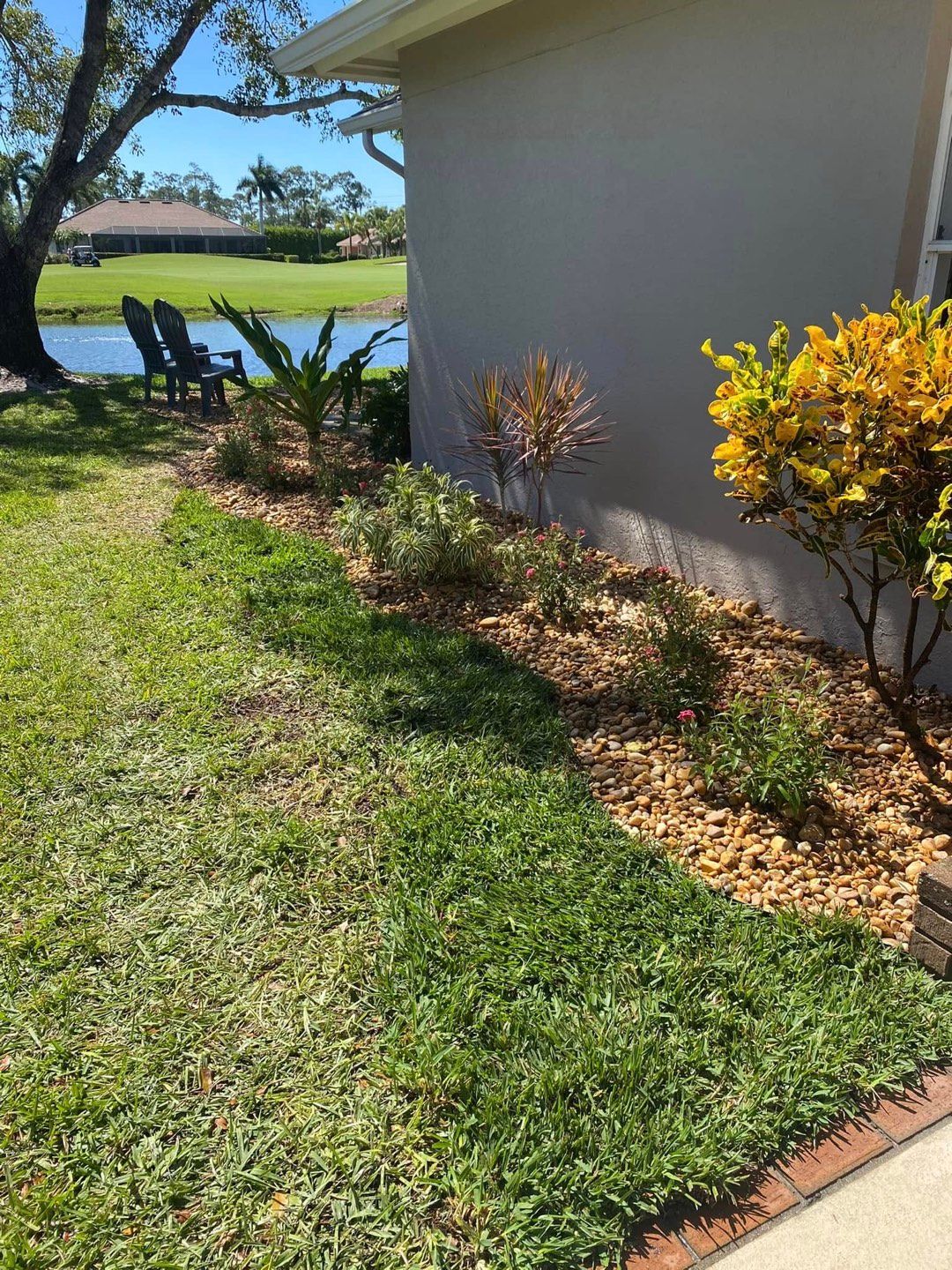
When turf thins out, dies back, or fills with weeds across Southwest Florida properties, laying fresh sod is often the first solution homeowners consider. A uniform, durable lawn reset begins by assessing why the current turf failed. We evaluate the physical space directly: bare patches under heavy tree canopies, soil compaction along primary footpaths, or chronic wetness near rooflines and downspouts. Rolling fresh turf over unaddressed ground problems rarely produces a lasting lawn. Before ordering material, a site assessment determines whether the property needs a standard sod replacement or targeted adjustments to underlying soil, shade, or moisture conditions.
Sod Removal and Site Preparation
A clean, level installation depends on thorough ground preparation before the first pallet arrives. We clarify what exists in the project area, whether that involves stripping dead grass, cutting out invasive weed mats, clearing surface roots, or removing builder debris. If the property requires heavy clearing or excavation, the project may call for dedicated Landscape Removal to take the surface down to clean, workable ground.
Final elevation is equally significant. The soil must be shaped so new sod meets concrete driveways, walkways, paver borders, and garden beds flush, avoiding raised edges that scalp during mowing or low spots that collect runoff. Equipment access routes, debris hauling, and soil prep are established beforehand to ensure smooth staging and execution.
Choosing Sod for Sun, Shade, Drainage, and Foot Traffic
Selecting the appropriate turf variety depends on daily sunlight hours, foot traffic, local microclimates, and regional nursery availability. Different varieties handle shade, salinity, and drought differently, making variety selection a property-specific choice rather than a generic one.
Scope also involves spatial layout and adjoining landscape features. Some projects require replacing an isolated backyard section, while others involve re-sodding an entire residential parcel. If you plan to redefine planting beds, adjust property borders, or install hardscapes, coordinating through Landscape Design ensures turf perimeters align cleanly with the broader yard layout. Confirming exact square footage, bed lines, and material access early prevents scope gaps during installation.
Watering and New-Sod Establishment
Fresh sod is a living, perishable product that requires immediate and attentive care the day it is installed. Because new turf relies on consistent, timely moisture to take root, irrigation functionality must be confirmed before any delivery is scheduled.
Water delivery, moisture monitoring, mowing delays, and traffic restrictions are critical property-owner responsibilities throughout the initial establishment period. Because sunlight levels, soil moisture retention, and seasonal rainfall vary across properties, we discuss these establishment requirements prior to scheduling. Clear expectations around post-installation care protect the investment and give the root system the environment it needs to knit into the subsoil.
Drainage and Site Work Before Sod Installation
Sod installation works best on a stable, well-graded footprint, but failing turf is often a symptom of larger site challenges. When water pools near foundations or stands in low areas for days after a storm, installing Drainage Solutions before laying sod protects the new root system from rotting in saturated soil.
When a lawn replacement coincides with grading work, new garden beds, landscape lighting, or specimen plantings, the project is best approached through broader Landscape Installation. Identifying whether your lawn needs a standalone turf replacement or a sequenced, multi-phase property upgrade ensures the right equipment, materials, and trade expertise are organized from the beginning.
Sod Installation FAQs
01QuestionWhat should I share before a sod-installation consultation?
02QuestionCan old sod or other material be removed before new sod is installed?
Response
Yes. Removing dead grass, weeds, and surface debris is often necessary so new sod sits flush against hardscapes and adjacent beds. We clarify whether removal and disposal are required during our site evaluation.
03QuestionHow do grade, drainage, sun exposure, and irrigation coverage affect a sod project?
Response
Grade and drainage control water runoff and prevent root saturation, sun exposure determines which turf varieties can survive long term, and uniform irrigation coverage is necessary to establish new sod after installation.
04QuestionHow is the right sod option confirmed for my property?
Response
We evaluate site-specific variables—including canopy shade, soil drainage, foot traffic, and current grower availability—to match your property with a suitable turf option.
05QuestionWhat establishment-care responsibilities should be clarified before the work is scheduled?
Response
We review who will manage daily watering, confirm that irrigation zones operate properly, discuss keeping traffic off new turf, and establish the timeline before the first scheduled mowing.
06QuestionWhen does a lawn issue need a separate drainage or irrigation conversation before sod replacement?
Response
If your lawn has standing water after rain, soil erosion on slopes, or uneven irrigation coverage with dry or flooded zones, those issues require separate drainage or irrigation discussions before installing new sod.
SERVICE DETAIL
Plan Your Lawn Replacement
A successful lawn replacement begins with a clear understanding of your property's grade, sun exposure, and site preparation requirements. When you reach out, sharing your approximate lawn size, current photos, timeline expectations, and any irrigation or water movement concerns helps us prepare for an effective discussion. Request a lawn-replacement consultation to review your lawn, evaluate the site, and determine the right scope for your property.