
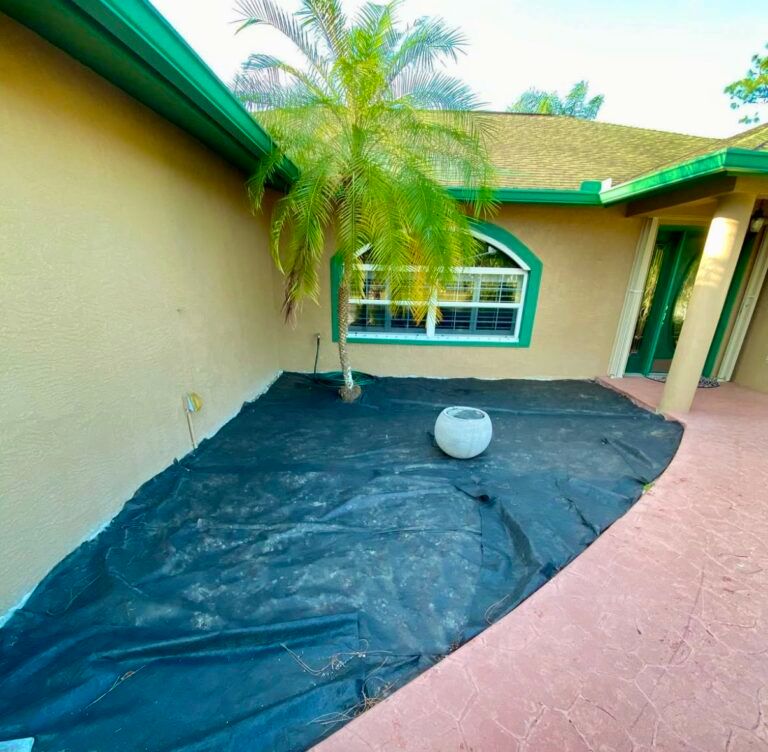
A truly low-maintenance landscape does not exist as a pre-packaged product. The term itself is misleading: no living system remains static, and every outdoor space demands biological inputs, debris management, and structural oversight. Real upkeep reduction happens when you stop hunting for "miracle" species and instead systematically eliminate the architectural mistakes that force you into recurring weekend chores.
Achieving a manageable yard requires matching your property's physical realities with the specific tasks you dislike most. Designing for lower inputs is an exercise in restraint, geometry, and patience during the initial planting stages.
The Maintenance-Load Audit: Define Your Workload First
"Low maintenance" means different things depending on which physical chores you want to avoid. A homeowner who hates edging turf has very different design needs than one who cannot stand pruning woody shrubs or hand-weeding mixed borders.
Before clearing beds or visiting nurseries, identify the tasks that actually consume your free time. Most maintenance problems stem from a disconnect between how a plant grows and how its surrounding space is laid out.
| Routine Chore | Common Design Root Cause | Layout or Selection Adjustment |
|---|---|---|
| Weekly hedge trimming | Fast-growing shrubs planted in spaces smaller than their mature spread. | Select plants whose natural mature footprint matches the physical boundary. |
| Tedious string trimming | Tight turf corners, narrow turf strips, and unedged obstacles. | Smooth out bed lines into continuous curves; group obstacles inside shared planting beds. |
| Constant hand-weeding | Expansive open mulch beds with sparse, disconnected plantings. | Plant in dense masses that knit together, shading the soil surface as they mature. |
| Managing plant decline | Species installed outside their biological moisture, soil, or light tolerances. | Map microclimates first; group plants exclusively by shared environmental needs. |
| Clearing fallen debris | Brittle canopy trees or heavy fruiters positioned directly over patios, gutters, or walkways. | Shift litter-generating canopies away from hardscape surfaces into interior bed zones. |
Site Conditions Trump Plant Tags
A plant labeled "hardy" will become a chronic maintenance burden if placed in the wrong soil or light exposure (opens in a new tab). Off-the-shelf nursery tags offer generalized regional advice that regularly ignores localized drainage, wind exposure, and soil alkalinity. When you evaluate Florida native plants, remember that regional origin does not guarantee success in your specific yard; a scrub-adapted shrub will quickly rot if dropped into a low swale that collects roof runoff.
Pay close attention to microclimates created by the built environment. Reflected heat, shelter, and exposure can vary across one property. If your property faces coastal landscape conditions, treat wind and salt exposure as conditions to research for the specific site.
A nursery tag featuring a generic salt-tolerance label cannot settle plant suitability for one yard. Florida-Friendly landscaping offers a broader site-first planning framework; use it with current plant-specific guidance and the conditions you recorded.
[ Site Assessment ]
   └── Sunlight exposure across seasons
   └── Soil drainage, fill type, and native pH
   └── Exposure to prevailing winds / salt spray
   └── Proximity to structures (reflected heat & roof runoff)
Plan for Mature Size and Natural Form (opens in a new tab)
Plant form and mature size can create more pruning decisions when they do not fit the space available. Consider a candidate plant's expected size and habit as part of the planning record rather than relying on fixed distances or a generic planting rule.
Embrace natural form over sheared symmetry:
- Select mounding or weeping habits that look complete without formal shaping.
- Use a deliberate palette. A smaller set of well-sited plant forms can make each area easier to understand and care for; group plants with compatible needs where the site and mature form support it.
- Use symmetry only when it fits the upkeep you are willing to provide. A balanced composition can be useful, but it should not depend on every paired plant performing identically.
Bed Geometry, Access, and Turf Edges
Turfgrass is often blamed for high yard labor, yet a simple, wide-open lawn panel is quick to mow. The labor spikes when turf meets irregular, jagged bed lines, isolated trees, utility meters, and narrow side yards. Mower efficiency relies on continuous forward motion. Every time a mower stops, reverses, or requires follow-up with a string trimmer, maintenance time expands.
Avoid creating narrow strips of turf between walkways and bed edges. Grass in spaces narrower than a standard mower deck requires manual weed-whacking and tends to suffer from soil compaction and uneven water distribution. Convert these awkward slivers into fully planted beds or functional ground surfaces.
Give structural features breathing room by recording the access each one needs and allowing plant form to mature without routinely blocking it. Exact clearances and planting choices depend on the feature, plant, site, and applicable guidance, so confirm them for the property rather than relying on a universal distance.
INEFFICIENT LAYOUT:                EFFICIENT LAYOUT:
[Turf] ──> Sharp 45° Angle         [Turf] ──> Wide, sweeping curve
  │          │                       │          │
  └── Traps mower, requires          └── Smooth continuous pass;
      manual string trimming             no backing up required
Establishment Demands Are Not Ongoing Demands
A lower-maintenance landscape still has an establishment period (opens in a new tab). New planting may need attention while it adjusts to the site, and the amount and timing of that care varies by plant, weather, soil, and the property's conditions.
Plan for establishment and mature care as different questions. Before choosing a plant or care routine, use current plant-specific guidance and the site's conditions rather than assuming that a low-maintenance label supplies a universal schedule or long-term outcome.
Transitioning Your Yard Step by Step
Attempting to overhaul an entire property in a single weekend invites burnout and incomplete results. The most practical approach is to audit your exterior space sequentially, tackling layout issues before buying new materials.
- Conduct a walking inventory. Note down every spot where mowing equipment slows down, where weeds persistently breakthrough, or where a shrub blocks a window or utility box.
- Consolidate bed perimeters. Connect isolated tree rings into larger, contiguous planting beds using sweeping, broad curves that your mowing equipment can follow in a single fluid pass.
- Audit your microclimates. Test your soil drainage after heavy downpours, record seasonal light shifts, and verify your exposure levels before researching candidate species.
- Select candidates with mature form in mind. Compare a plant's expected size and habit with the available space, access needs, and surrounding features before making a property-specific choice.
Take the time to apply these priorities to one property zone before expanding outward. Solving the mechanical conflicts in your front foundation bed or streamlining a single side yard will give you the practical baseline needed to scale a functional, lower-maintenance landscape across your entire property.